Silver Pines Key Art: Why Its Visual Style Stands Out
Explore how Silver Pines key art and hand-illustrated 2.5D visuals define Wych Elm Games' retro survival horror Metroidvania ahead of launch.
Few indie games announce themselves through imagery alone, but the Silver Pines key art does exactly that — a moody, illustrated portrait of a town that feels pulled straight from a lost '90s VHS cover. With the full game releasing October 8 and a substantial demo already live, Wych Elm Games' survival horror Metroidvania has generated buzz largely on the strength of its looks. That first impression matters: in a genre crowded with pixel-art throwbacks, the Silver Pines key art and matching in-game presentation promise something genuinely different. Based on hands-on previews from IGN and extensive player experience with the demo, here's why the visuals are more than a pretty face — and how the rest of the game stacks up.
The Visual Identity: Illustrated 2.5D Done Right
The Silver Pines key art isn't just marketing fluff — it's a faithful promise of what you'll see on screen. The game uses a distinctive two-and-a-half-dimensional presentation where environments feel almost hand-illustrated while retaining surprising depth. Abandoned motels, fog-choked streets, and dimly lit interiors all share a cohesive visual language that immediately separates this from most other Metroidvanias on the market.
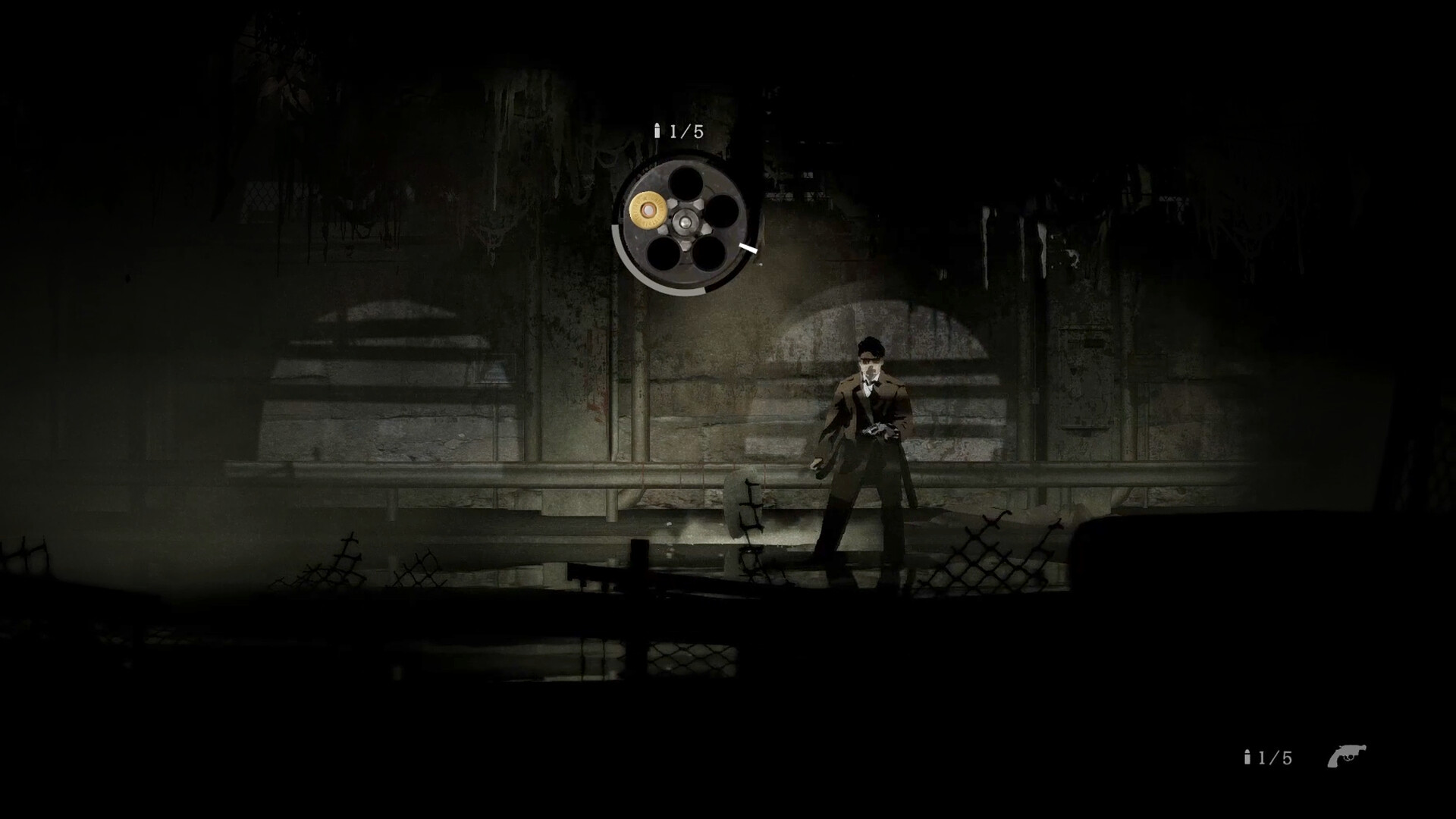
Official screenshot · Source: Steam store
Critics have drawn comparisons to Alan Wake as if it were made in the 1990s, and community reports back that up. Player experience with the demo consistently highlights the art direction as the game's biggest strength — many players admit they started playing because the visuals caught their eye and finished genuinely invested in the story.
| Visual Element | What It Delivers | Why It Matters |
|---|---|---|
| 2.5D illustrated environments | Painted depth without 3D clutter | Creates a unified "storybook noir" identity |
| Character designs | Cohesive, era-appropriate figures | Reinforces the unreliable-narrator tone |
| Lighting and atmosphere | Unsettling without jump scares | Dread comes from the setting itself |
| Key art consistency | Matches in-game presentation | No bait-and-switch between promo and gameplay |
Story and Setting: Twin Peaks by Way of Resident Evil
You play as Red Walker, a private investigator arriving in the strange town of Silver Pines to find a missing musician named Eddie Velvet. Naturally, nothing is what it seems. The game layers a classic survival horror framework over a slow-burning mystery where every answer spawns another question — and where you're never quite sure whether you can trust Red's own perspective.
Per IGN's preview, the tone lands somewhere between The X-Files and Twin Peaks, filtered through the retro lens of a '90s point-and-click adventure. One sequence in the demo has you phasing into times and places you couldn't possibly have witnessed, blurring reality and madness. Player experience suggests the demo hooks you into the mystery better than most full games do.
Core story elements at a glance:
| Element | Detail |
|---|---|
| Protagonist | Red Walker, private investigator |
| Missing person | Eddie Velvet, a musician |
| Developer | Wych Elm Games |
| Release date | October 8 |
| Genre | Survival horror Metroidvania |
| Narration style | Unreliable narrator, ambiguous reality |
Exploration Systems: The Camera Is the Star
Because Silver Pines is built around an interconnected world and heavy backtracking, quality-of-life features matter enormously. The standout mechanic is Red's camera: photographing a locked chest, sealed door, or suspicious object creates a personal point of interest on your map. Three hours later, when you finally find the right key, you'll know exactly where to return.
It's a small system with a big impact, and it fits the character — a detective naturally photographs evidence. Beyond the camera, exploration involves meaningful resource trade-offs. You can shoot locks off to reach optional areas, but that's ammunition you might desperately need later.
| Feature | Function | Player Takeaway |
|---|---|---|
| Camera photos | Marks unopened areas on your map | Eliminates "where was that door?" frustration |
| Shooting locks | Opens optional shortcuts | Costs scarce ammo — spend wisely |
| Momentos | Equippable items boosting stamina, defense | Hints at deep build variety |
| Vending machines | Sell ammo and healing items | Uses the same currency as saving |
Survival Horror Mechanics: Every Coin Counts
Silver Pines embraces old-school scarcity with impressive commitment. Consider the tension baked into its economy:
- Saving costs money. Payphones serve as save points, drawing from the same coin pool you'd otherwise spend on supplies at vending machines.
- Melee weapons degrade. Your box cutter needs duct tape repairs after a few hits.
- Ammo is rare. Firearms are a last resort, not a solution.
- Injuries slow you down. Healing items are limited, and damage compounds.
- Stamina is punishingly short. Sprinting and repeated attacks drain it fast, leaving you defenseless.
Community reports from demo players describe fumbling the inventory instead of sprinting while something grotesque closed in — exactly the panic the original Resident Evil games perfected. This is the kind of "good frustration" that makes horror games memorable, though it won't be for everyone.
Combat: The Weakest Link
Both IGN's preview and player experience agree combat is the roughest part of Silver Pines. Firearms feel serviceable, but melee movement and timing come across as stiff, and the first boss fight can feel nearly unwinnable when dodging its attacks. Enemies — at least in the demo — show limited variety, with predictable humanoid and bug archetypes that each use a single attack.
The mitigating hope is the momento system, which clearly allows stat improvements to stamina, damage reduction, and more. Whether Red grows into a more capable fighter over the full campaign remains the biggest open question heading into the October 8 launch.
| Aspect | Rating (Demo) | Notes |
|---|---|---|
| Firearm combat | Decent | Ammo scarcity forces deliberate use |
| Melee combat | Rough | Stiff movement and timing windows |
| Stamina system | Very restrictive | Momentos may improve it significantly |
| Enemy variety | Question mark | Two archetypes in the demo |
| Boss design | Frustrating (intentionally?) | First boss outpaces the player |
Should You Play the Demo?
Absolutely — and that's the unusual part. Unlike twenty-minute marketing samples, the Silver Pines demo is a genuinely substantial slice of the game, long enough that reviewers report forgetting they were playing a demo at all. It covers exploring, fighting, puzzling, equipment upgrades, and enough story to determine whether the mystery grabs you.
The demo verdict from most who finished it: a buy, pending combat refinement. If the key art hooked you, the game behind it will likely hold you.
FAQ
Q: Does the in-game art style match the Silver Pines key art? A: Yes. Player experience consistently confirms the hand-illustrated 2.5D presentation in-game faithfully reflects the promotional key art, which is a major reason early impressions have been so positive.
Q: When does Silver Pines release, and is there a demo? A: The full game launches October 8 from Wych Elm Games, and a surprisingly lengthy demo is currently available, letting you experience a large portion of the opening before buying.
Q: Is Silver Pines a Metroidvania or a survival horror game? A: Both. It features an interconnected town with ability-gated backtracking (Metroidvania structure) layered with classic survival horror systems like limited ammo, inventory management, and paid save points.
Q: What are the game's biggest weaknesses? A: Based on previews and community reports, melee combat timing, early stamina limits, and limited enemy variety in the demo are the main concerns — though none were considered dealbreakers by most who played it.
Related Guides
Silver Pines OST: Full Track List, Composer & Where to Listen
Everything about the Silver Pines OST: Karl Flodin's 91-track score, Eddie Velvet's song, Deluxe Edition access, and streaming plans explained.
Silver Pines Release Trailer Breakdown: What It Reveals
The new Silver Pines release trailer shows Red Walker's nightmare case. Here's everything the gameplay trailer reveals about the 2026 survival horror.
Silver Pines Trailer Breakdown: Story, Gameplay & More
The new Silver Pines trailer reveals Red Walker's nightmare. Here's our full breakdown of story details, gameplay systems, platforms, and 2026 release info.